
Why the Cheap Blender Cost Me More Than the Expensive One
Back in college, I stood in the blender aisle telling myself that a $25 blender basically did the same thing as the expensive ones.
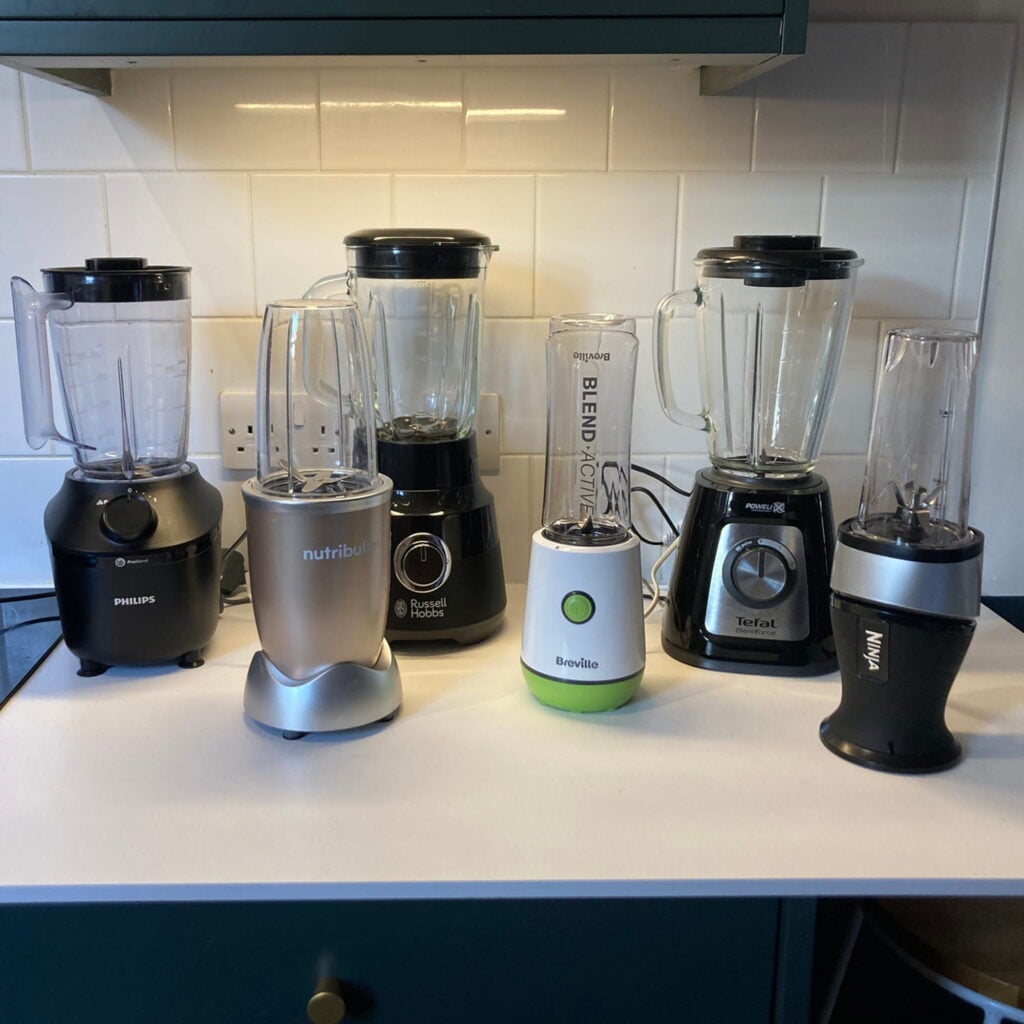
Why spend more when there is a cheaper option right there?
I walked out feeling pretty good about myself. Smart, even. A frugal guy making a frugal decision.
What followed was several weeks of watching a small plastic machine fight for its life every time I tried to blend a frozen banana. It sounded like a lawnmower hitting gravel. It shook the counter. It made a noise I can only describe as a blender having an existential crisis.
I used it maybe five or six times before it quietly retired to the back of the cabinet never to be seen again.
The More Expensive Blender Was Actually the Cheaper Decision
Eventually I bought a $120 Ninja blender. And I felt that purchase. That is almost five times what I paid for the first one.
But the difference was immediate.
We started using it three to four times a week for smoothies, protein shakes, and sauces for meal prepping. Homemade chimichurri. Soups. All of it.
Here is where the math gets interesting.
Three uses a week for a year is 156 uses. At $120, that brings the cost down to about 76 cents per use in year one. And even less in year two, three, and four because the thing actually holds up.
The more expensive blender became the cheaper decision the moment I started using it consistently.
The $25 blender was never really $25. It was $145 because I had to buy a replacement to actually get the job done.
The One Money Rule I Use for Almost Every Purchase

After the blender incident, I knew I needed a better framework for making buying decisions. Something simple I could apply quickly without overthinking every purchase.
Here is the rule I landed on.
Before buying anything, I ask myself one question. Will I get enough use out of this that the cost per use comes out to $1 or less?
That is it. One question. One number.
Here is how it works in practice.
If I am considering a $120 blender and I know I will use it three times a week, I divide $120 by the number of times I expect to use it in the first year. 156 uses brings the cost per use to 76 cents. That passes the test easily.
If I am considering a $25 blender and I know from experience that cheap blenders break down under heavy use, I have to factor in the likelihood that I will need to replace it. Suddenly that $25 becomes $50 or $145 when you account for the replacement purchase.
The cost is never just the sticker price. It is the sticker price plus repairs, replacements, and repeat purchases over time.
Where This Rule Actually Came From
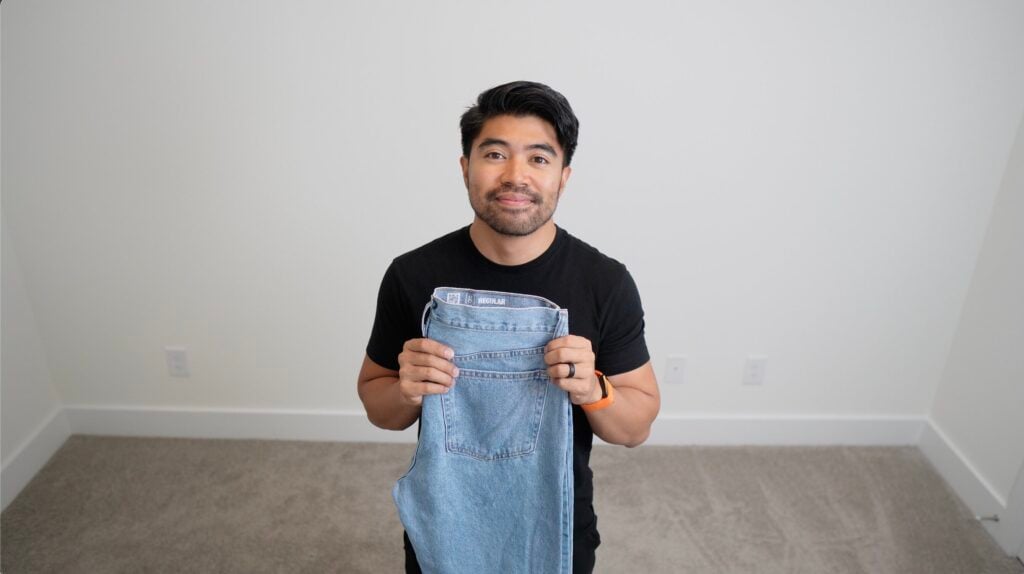
I first came across this way of thinking through the slow fashion industry. The philosophy there is simple. Before buying a piece of clothing, ask yourself whether you will wear it enough times that the cost per wear drops to $1 or less.
A $200 pair of jeans you wear 300 times over several years costs 67 cents per wear. A $30 pair you wear five times before they fall apart costs $6 per wear.
The same logic applies to almost everything you buy. Kitchen appliances. Shoes. Exercise equipment. Tools. Furniture.
The question is never just how much does this cost. The question is how much will this cost me per use over the life of the product.
How to Apply This Starting This Week
The next time you are standing in an aisle or scrolling a product page and you feel the pull toward the cheaper option, try this.
Step 1: Estimate honestly how many times you will actually use this item in the next year.
Step 2: Divide the price by that number.
Step 3: Ask yourself if that cost per use feels worth it.
Step 4: If the cheaper option has a history of breaking down under the kind of use you are planning, factor in the likely replacement cost before deciding.
You will not nail this with 100 percent accuracy every time. I certainly do not. But having this mental framework has genuinely changed the way I shop. It has helped me spend more confidently on things that last and stop wasting money on things that do not.
The goal was never to spend as little as possible. The goal was always to get the most value out of every dollar.
That is the frugal rich mindset.
About JC Rodriguez
Hey! I’m JC Rodriguez, founder of The Frugal Rich and media personality. I’m passionate about helping everyday people build real wealth quietly, without the flashiness or get-rich-quick nonsense. I’ve spent years traveling across the country interviewing everyday Americans who built 7-figure net worths on normal incomes, and I share everything I learn every Friday in my free newsletter. I’ve been featured in NerdWallet, Business Insider, The Washington Post, and Fox Business. Learn more here.