How We Pay For Big Trips Without Using Our Savings
Last year, my wife and I spent a week in Greece. Santorini, Athens, the whole thing.

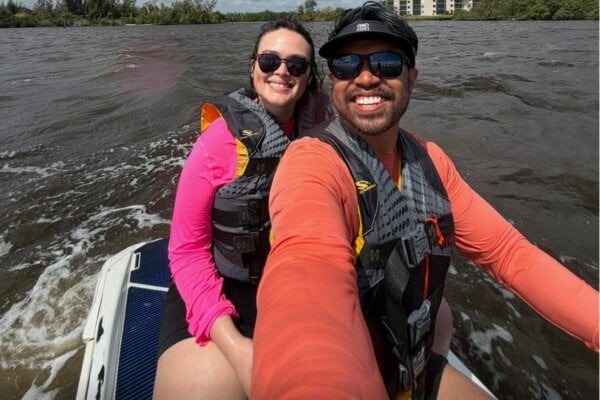
This year, we spent five days in South Florida exploring the Everglades, hitting the beaches, and yes, spending $110 to jet ski off the coast of Fort Myers. Zero regrets.
These were not spur of the moment trips we booked on a whim. They were not put on a credit card and figured out later. And they did not come from some windfall or bonus that landed in our lap.
They came from $350 a month. Every month. Without fail.
That is the power of a sinking fund. And today I want to break down exactly how we use them and the three core funds I think every person should have in place before anything else.
What Is a Sinking Fund and Why Does It Change Everything
A sinking fund is simply money you set aside consistently over time for a specific future expense.
That is it. There is no complicated math involved. No special account required. Just a dedicated pool of money you build up slowly so that when the expense arrives, you are ready for it.
Most people save in one big pile and then feel guilty every time they pull from it. A sinking fund eliminates that guilt entirely because the money was never meant for anything else. It was always earmarked for that specific thing.
We have a sinking fund dedicated entirely to travel. Every month, $350 goes in. By the time we are ready to book a trip, the money is already sitting there waiting for us.
Greece and South Florida were not splurges. They were planned.
The 3 Core Funds Every Person Should Have
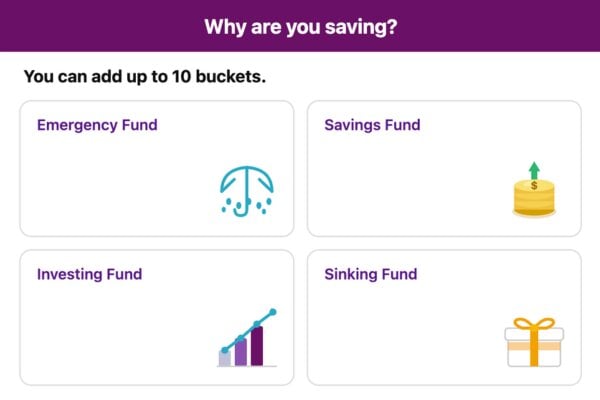
If you and I were sitting across from each other right now talking about your finances, this is where I would start before we ever pulled up a spreadsheet or talked about retirement strategies.
Think of these three funds as the foundation. Get these in place and everything else becomes significantly easier to build on top of.
The Emergency Fund
Your financial seatbelt.
This is three to six months of living expenses sitting in a high-yield savings account, untouched unless something actually goes wrong. Job loss, medical bill, car breaking down at the worst possible time. That is what this fund is for.
The goal is not to grow this money. The goal is to have it available so that a bad month does not spiral into a financial disaster.
If you do not have this in place yet, this is your starting point before anything else.
The Investing Fund
This one is different from saving, and the distinction matters.
When you save money, it sits there. When you invest money, you are buying assets that will likely grow in value over time. An S&P 500 index fund inside a Roth IRA, for example, has historically returned an average of around 10 percent per year over the long term.
The goal here is to automate a monthly contribution into your Roth IRA or brokerage account so that investing happens before you have a chance to spend that money elsewhere. Set it and forget it. Future you will be incredibly grateful.
Sinking Funds
This is where the magic happens for everyday life.
If you have any big expected purchases coming up, a sinking fund is your best friend. And the key word there is expected. A sinking fund is not for emergencies. It is for the things you already know are coming.
Your next car. A big insurance premium. The holidays. A wedding gift. A vacation. All of these can have their own dedicated sinking fund so that when the bill arrives, you are not scrambling.
Here are a few sinking fund categories worth considering:
Travel — Our personal favorite. $350 a month funded two international-level trips in two years.
Vehicle maintenance and replacement — Cars are expensive. Saving for them in advance is not.
Holidays and gifts — December hits the same time every year. It should never be a financial surprise.
Home maintenance — If you own a home, things will break. Having money set aside for it means a leaking roof is an inconvenience, not a crisis.
How to Actually Set This Up
The simplest way to run sinking funds is through a high-yield savings account that lets you create separate buckets or sub-accounts for each category.
Two options I personally like are SoFi and Ally. Both let you organize your money into labeled buckets within one account so you can see exactly how much is set aside for travel, how much is in your emergency fund, and how much is building toward your next car, all in one place.
The key is to automate your contributions so the money moves on its own every month before you have a chance to spend it.
The Bottom Line
The trips my wife and I take do not happen because we earn a lot of money. They happen because we are intentional with the money we do earn.
A sinking fund is one of the simplest and most underrated tools in personal finance. It turns big expenses from stressful surprises into planned events you actually look forward to.
Build the foundation first. Emergency fund, investing fund, and sinking funds. Get those three in place and you will be shocked at how much calmer your financial life feels.
Disclosure: This post contains affiliate links. If you sign up through our links, we may earn a small commission at no additional cost to you. We only recommend products we personally use and genuinely believe in. Read our full disclosure here.
About JC Rodriguez
Hey! I’m JC Rodriguez, founder of The Frugal Rich and media personality. I’m passionate about helping everyday people build real wealth quietly, without the flashiness or get-rich-quick nonsense. I’ve spent years traveling across the country interviewing everyday Americans who built 7-figure net worths on normal incomes, and I share everything I learn every Friday in my free newsletter. I’ve been featured in NerdWallet, Business Insider, The Washington Post, and Fox Business. Learn more here.